Understanding Car Financing and APR
Down payment, term length, and APR all shape what a car really costs. Here's how auto loans work — and how to avoid paying thousands more than you need to.
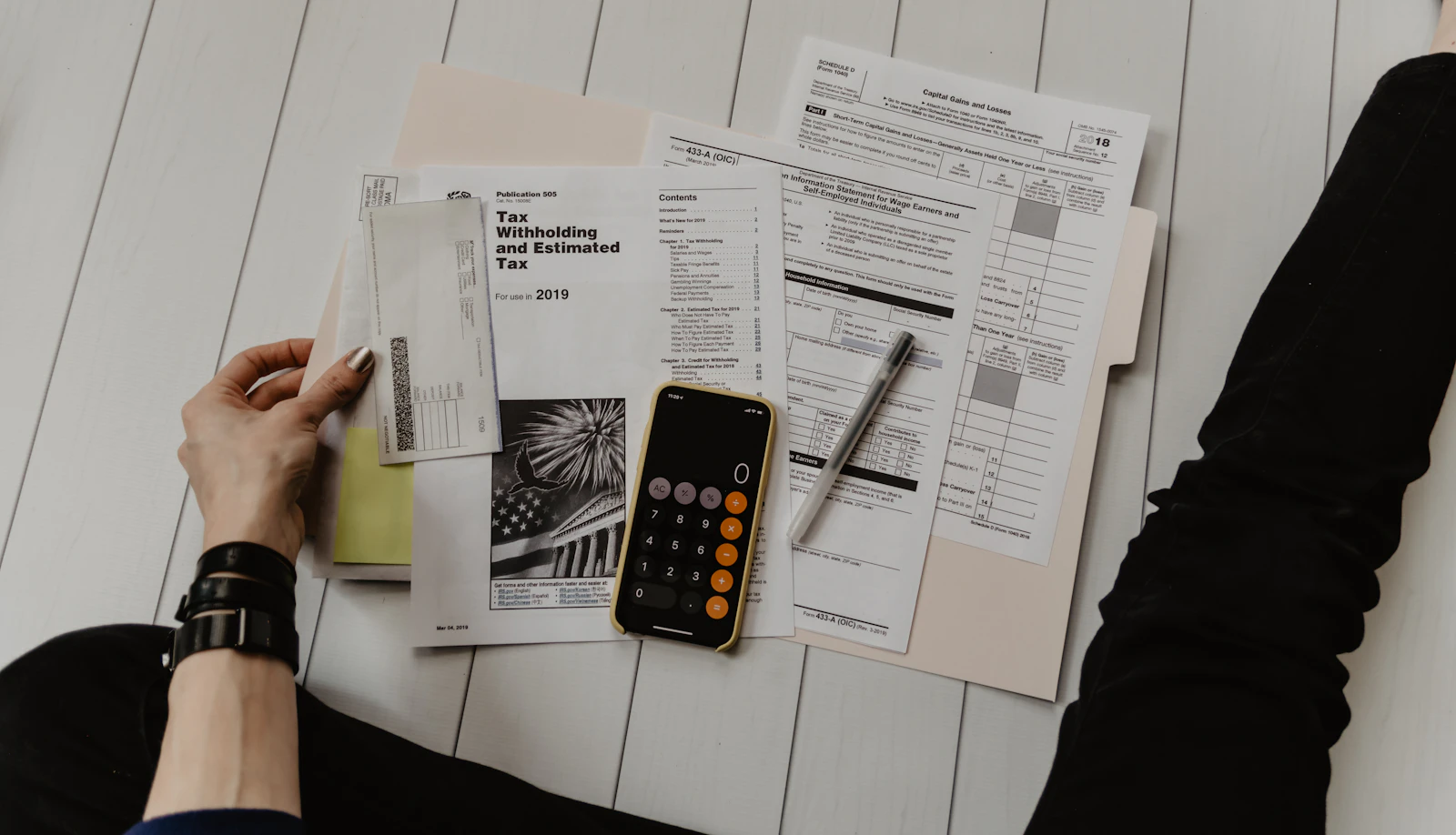
Most people finance their cars, and the loan you sign can quietly cost — or save — you thousands of dollars. The good news is that auto financing comes down to a handful of levers you control. Understand them and you'll negotiate from a position of strength.
APR vs. interest rate — they're not the same
The interest rate is the cost of borrowing the principal. The APR (annual percentage rate) folds in the interest plus most lender fees, so it reflects the true annualized cost of the loan. When you compare offers, compare APRs, not interest rates — a low rate stacked with fees can be a worse deal than a slightly higher rate with none. APR is the apples-to-apples number.
Your down payment does a lot of work
A larger down payment shrinks the amount you finance, which lowers both your monthly payment and the total interest you pay. It also protects you from being 'upside down' — owing more than the car is worth — which matters because cars depreciate fast early on. A common target is 20% down on a new car and 10% on a used one, though more is always better for your interest total.
Term length: the monthly-payment trap
Stretching a loan to 72 or 84 months makes the monthly payment look smaller, but it's a trap. Longer terms mean more months of interest and a much higher total cost, and you stay underwater on the car far longer. Consider how the same loan plays out:
- A $25,000 loan at 7% APR over 48 months costs roughly $3,730 in total interest.
- The same loan stretched to 72 months costs around $5,660 in interest — nearly $2,000 more for a lower monthly payment.
- Shorter terms build equity faster and free you from the loan sooner.
Pick the shortest term whose monthly payment you can comfortably afford. Your future self will thank you.
Get pre-approved before you shop
Walk into the deal with financing already lined up from your bank or credit union. Pre-approval does three things: it tells you the APR you actually qualify for, it sets a firm budget, and it turns dealer financing into a competing offer rather than your only option. If the dealer can beat your pre-approved rate, great — let them. If not, you keep the better deal.
Know what drives your rate
Lenders price your APR primarily on risk, and several factors move it:
- Credit score — the single biggest factor; a higher score can shave several points off your APR.
- Loan term — longer terms often carry slightly higher rates.
- New vs. used — used-car loans typically run a bit higher than new-car loans.
- Down payment — more money down can earn you a better rate by lowering the lender's risk.
Focus on the total cost, not the payment
Dealers often steer the conversation to 'what monthly payment works for you?' That framing hides where your money goes — a comfortable payment on an 84-month loan can mean paying for a car long after it's worth the balance. Always ask for the out-the-door price and the total of payments. That total is the real cost of the car plus borrowing, and it's the number that should drive your decision.
Run your numbers before you ever set foot in a showroom. When you're ready, browse cars from trusted local dealers on BuyACarToday and bring your pre-approval — you'll negotiate smarter and likely drive away paying less.
Keep reading
How to Buy a Used Car in Washington: A Step-by-Step Guide
From budgeting and inspections to sales tax and title transfer, here's exactly what it takes to buy a used car in Washington State without surprises.
Read guide
New vs. Used: Which Is Right for You?
Depreciation, warranties, reliability, and total cost — a clear-eyed look at when buying new makes sense and when a used car is the smarter money.
Read guide