New vs. Used: Which Is Right for You?
Depreciation, warranties, reliability, and total cost — a clear-eyed look at when buying new makes sense and when a used car is the smarter money.
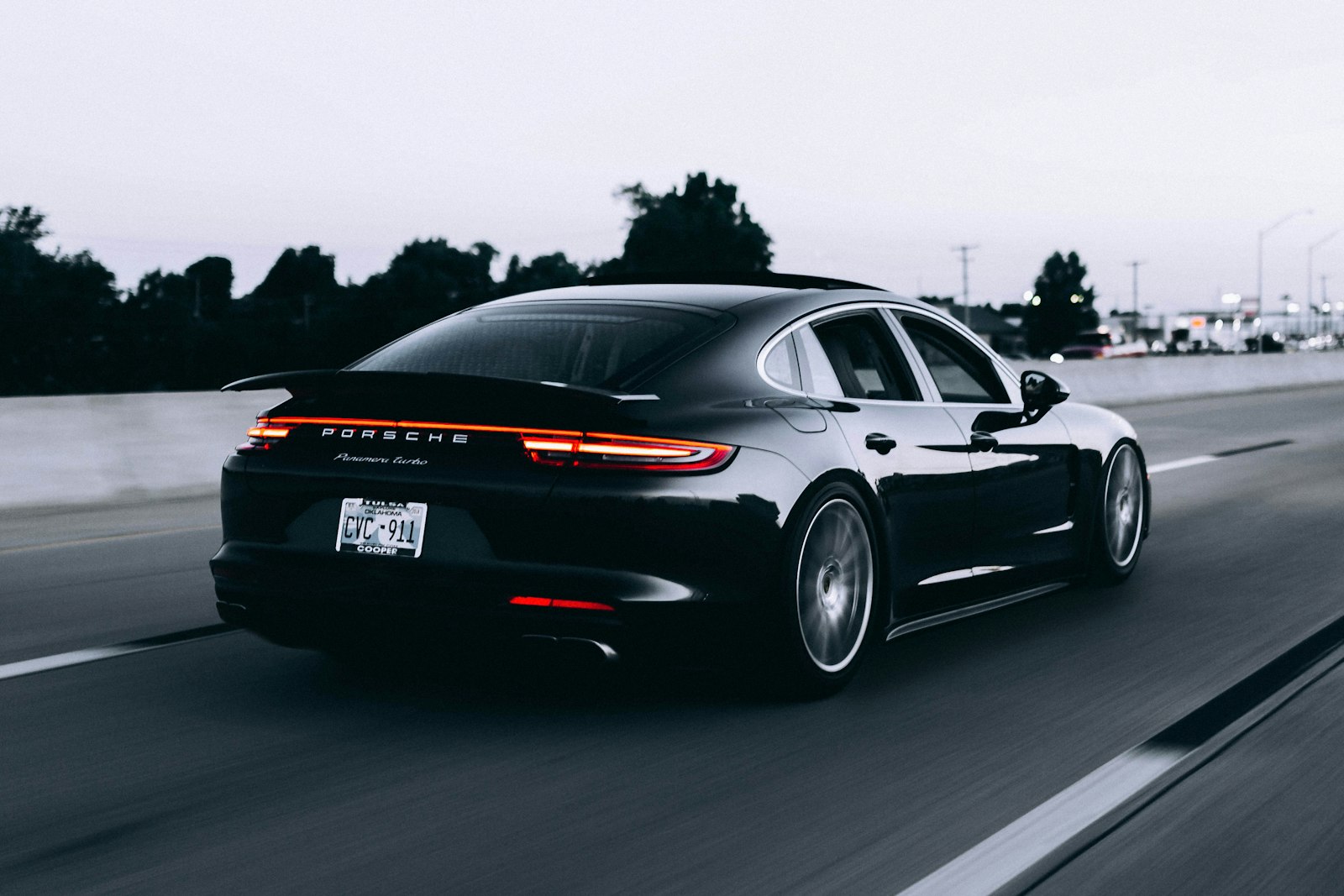
There's no universally right answer to new versus used — there's only the right answer for your budget, how long you keep cars, and how much you value the latest tech and a fresh warranty. Here's how the trade-offs actually shake out.
Depreciation is the biggest hidden cost
A new car loses roughly 20% of its value in the first year and around 40%–50% over the first three. That drop is real money, and someone pays it. Buy new and it's you. Buy a two- or three-year-old car and the original owner already absorbed the steepest part of the curve — you get a nearly-current vehicle at a meaningful discount. For most buyers, this single factor tilts the math toward used.
Where buying new makes sense
New isn't just ego — there are situations where it's genuinely the better call:
- You keep cars 8–10+ years, so you amortize the depreciation over a long ownership window.
- You want the newest safety and driver-assist tech, which changes meaningfully every few model years.
- You qualify for low-APR or 0% manufacturer financing that a used loan can't match.
- You need a specific configuration that's hard to find used, and you want the full factory warranty.
Where buying used wins
Used shines when you want the most car for the least money and you're comfortable doing a little homework:
- Your budget goes further — a used car one or two segments up often costs the same as a new economy model.
- Lower insurance and registration costs, both of which scale with the car's value.
- Certified Pre-Owned (CPO) programs add a manufacturer-backed warranty and inspection, closing much of the reliability gap.
- Today's cars routinely run well past 150,000 miles, so a well-maintained three-year-old vehicle has most of its life ahead of it.
Warranty and peace of mind
A new car's biggest intangible is the warranty — typically 3 years/36,000 miles bumper-to-bumper and longer on the powertrain. If unexpected repair bills would genuinely stress your finances, that coverage has value. The middle path is a CPO used car: you get a refurbished vehicle plus an extended manufacturer warranty, often at a few thousand dollars over a comparable non-certified car.
Run the total cost of ownership
Don't compare sticker prices — compare what the car costs you per year of ownership. Add up depreciation, financing interest, insurance, fuel or charging, maintenance, and registration, then divide by how long you'll keep it. A new car with cheap financing and a long hold can pencil out close to a used car with a higher interest rate. More often, a lightly-used car comes out ahead on the spreadsheet.
The bottom line
If you value the latest tech, plan to keep the car for the long haul, and can lock in low manufacturer financing, new can be worth it. If you want maximum value and are willing to inspect a vehicle's history, a two- or three-year-old used car — ideally certified — is usually the smarter buy. Browse both new and used inventory from local dealers on BuyACarToday and compare the real out-the-door numbers side by side.
Keep reading
How to Buy a Used Car in Washington: A Step-by-Step Guide
From budgeting and inspections to sales tax and title transfer, here's exactly what it takes to buy a used car in Washington State without surprises.
Read guide
Understanding Car Financing and APR
Down payment, term length, and APR all shape what a car really costs. Here's how auto loans work — and how to avoid paying thousands more than you need to.
Read guide